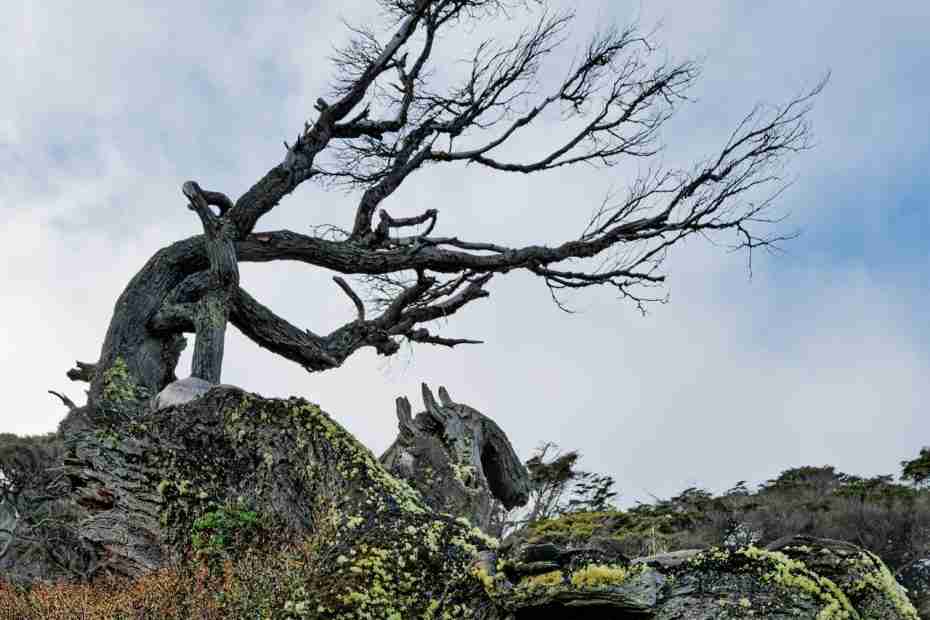
Every year in Florida, homeowners watch certain trees make it through storms without a scratch while others split, lean, or come crashing down. A lot of people assume it comes down to luck, but most of the time, it doesn’t.
The way a tree grows, the way it’s maintained, and even where it’s planted all play a role in how well it handles strong wind and heavy rain.
At Shade Shifters, we spend a lot of time helping Gainesville homeowners strengthen their trees before storm season ramps up. Here are a few of the biggest reasons some trees hold up better than others.
Strong Structure Matters More Than Size
People often worry most about the tallest trees in the yard, but height alone is not the problem. Some large trees are incredibly stable because they developed strong branch structure over time.
The bigger concern is poor structure. Trees with multiple trunks, heavy limbs extending too far outward, or branches growing at weak angles are much more likely to fail during storms.
Proper pruning early on helps trees grow with better balance and strength.
Healthy Roots Make a Huge Difference
A tree is only as strong as its root system. In Gainesville, long periods of rain can soften the soil and weaken root stability, especially if roots are already stressed from construction, poor drainage, or compacted ground.
When roots struggle, trees become more vulnerable to leaning or uprooting completely during heavy winds.
Sometimes the warning signs are subtle:
- Mushrooms near the base
- Exposed roots
- Soil lifting around the trunk
- Slow or thinning growth
Catching these issues early can prevent major damage later.
Not All Tree Species Handle Storms the Same Way
Some species naturally perform better in Florida weather than others. Live oaks, for example, are generally much more wind-resistant than fast-growing trees with weaker wood.
That doesn’t mean a healthy tree is automatically safe or a weaker species is guaranteed to fail, but species choice does matter over time.
If you have older trees near your home, it’s worth understanding how they typically respond to storms and whether they need extra maintenance.
Overgrown Trees Catch More Wind
When a canopy becomes too dense, strong wind has nowhere to pass through. That creates extra stress on limbs and trunks during storms.
Strategic trimming helps reduce wind resistance while keeping the tree healthy and natural-looking. The goal is not to strip the tree down — it’s to improve airflow and reduce unnecessary weight.
Small Problems Usually Become Big Ones
One cracked limb or one area of decay may not seem urgent, but storms tend to expose every weakness a tree already has.
That’s why preventative care matters. A tree that gets regular inspections and maintenance is much less likely to become a major hazard during hurricane season.
Strong Trees Don’t Happen by Accident
Healthy trees are one of the best parts of living in Gainesville. They provide shade, beauty, and character to a property — but they also need attention to stay safe and strong.
Shade Shifters helps homeowners identify risks before storms turn them into expensive problems. Whether you need pruning, trimming, inspections, or removals, our team is here to help.
Call today to schedule a tree assessment and make sure your property is ready for the seasons ahead.